Holiday meals on GLP-1 medications: enjoyment without overindulgence
How to manage holiday meals, alcohol and travel while taking GLP-1 medications, without changing your treatment on your own.
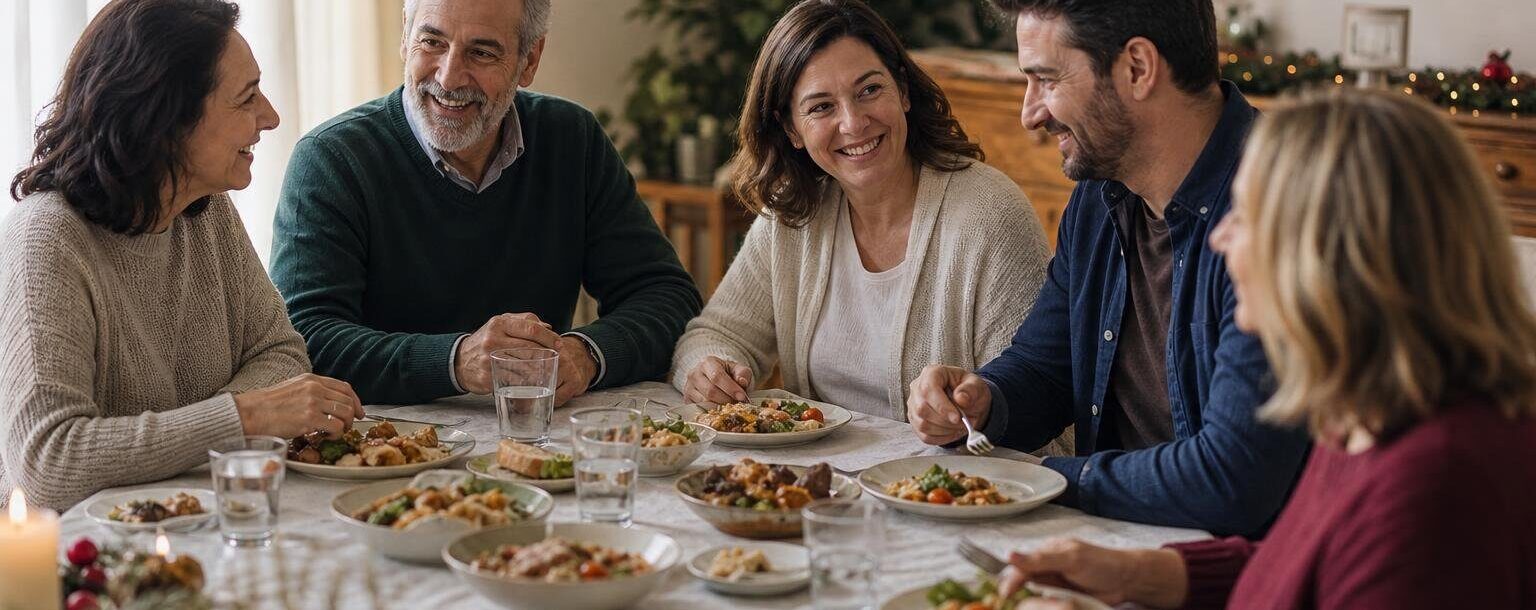
GLP-1 medications can change not only your appetite, but also how much food you can comfortably tolerate at a holiday meal. An informational article by a physician specializing in obesity emphasizes that smaller portions, paying attention to feelings of fullness and planning ahead before traveling can help prevent unpleasant surprises. The message is not to miss out on the celebration, but to adjust your habits without changing your treatment on your own.
What the evidence shows
GLP-1 medications are used for conditions including type 2 diabetes and obesity. They reduce hunger and slow the movement of food out of the stomach. As a result, the feeling of being full may come sooner and last longer.
This has practical implications when a meal includes many dishes. An amount that once seemed normal may now cause nausea, bloating or even vomiting. According to the article, this can happen even in people who had not previously experienced significant discomfort with their treatment. Very fatty foods may worsen nausea and the prolonged feeling of a full stomach.
Alcohol also requires caution. It can worsen nausea, dehydration and reflux, which is the backward flow of stomach contents into the esophagus. Your previous tolerance for alcohol does not guarantee the same experience after starting treatment.
How certain are the findings?
This is not a new clinical study, but an article offering information and practical advice. It does not present participants of a specific age, a comparison group or a follow-up period. We therefore cannot calculate how often discomfort occurs during holiday meals or how much each individual tip reduces it.
The article is set in an American context, prompted by Thanksgiving and the winter holidays. It does not include Greek data. The general observations about food are useful, but instructions for storing and managing medication vary by product. The article does not announce any change in treatment recommendations and does not replace your doctor’s personalized advice.
Our view
We believe the most useful idea is to stop treating a full plate as an obligation. A smaller appetite need not prevent you from enjoying time with others, but neither should it be a reason to ignore discomfort in order to keep pace with everyone else.
However, an important distinction is needed: nausea is neither a goal of treatment nor proof that it is “working better.” The article describes it as a possible side effect, not a desirable outcome. If it keeps happening, it is worth discussing with your treating doctor rather than trying to endure it in silence.
In our view, avoiding guilt is just as important. One special meal does not undo your overall efforts. Balance means enjoying yourself while respecting your body’s limits, not strict deprivation or taking extra medication.
What this means for you
- Start with a smaller portion. Eat slowly, take breaks and do not feel pressured to clear your plate. Pay attention to feeling full early and to bloating.
- Be careful with very rich foods and alcohol. Do not assume you can tolerate the amounts you used to. Discuss with your doctor whether alcohol is appropriate for you.
- Plan your trip in advance. Ask your pharmacist how to store your specific medication. When flying, keep it in your carry-on luggage and make sure well ahead of time that you have enough.
- Do not adjust your treatment to suit the menu. Do not take extra medication to suppress your appetite. For a missed dose or a change in dosing time, seek personalized guidance.
- Seek help for persistent symptoms. Repeated vomiting or difficulty keeping fluids down requires immediate contact with a doctor. Children, older adults, people with chronic conditions and those who are pregnant or breastfeeding need particularly individualized medical guidance.
This article is for informational purposes and does not replace your doctor’s advice.

This article is for information only and does not replace an examination and advice from your doctor.