PM2.5 and diabetes: what airborne particles are and how they affect us
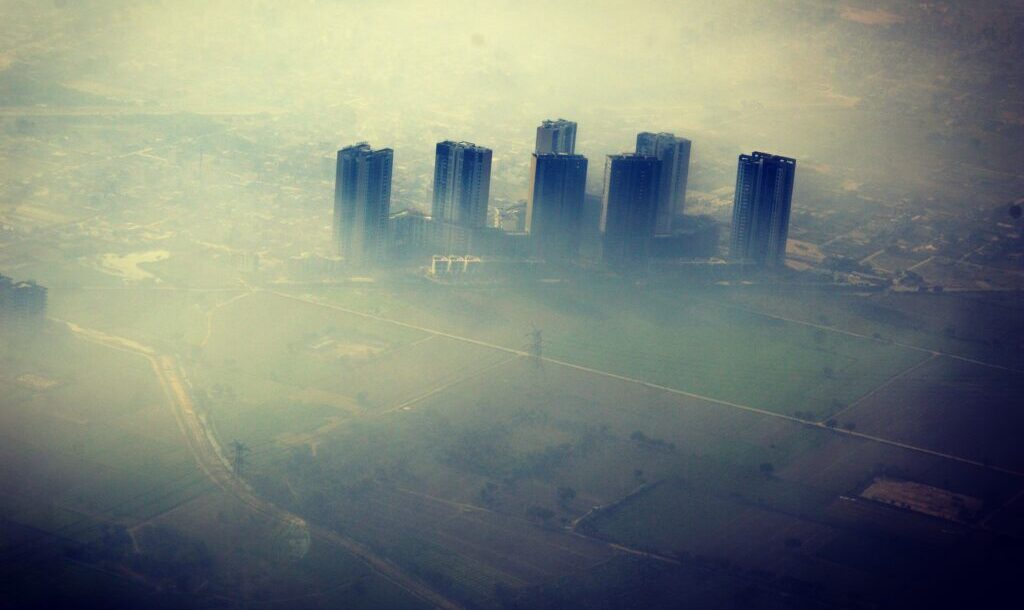
PM2.5 are small airborne particles and a major source of air pollution in industrialised countries. When their concentration exceeds the limits set by scientific bodies, they can cause health problems.
Airborne particles are produced by human activities, such as car exhaust and factories. They include chemicals such as sulphates and nitrates. They can also come from large forest fires.
PM2.5 particles are smaller than 2.5 micrometres. They are so small that they can be inhaled and damage the lungs, or even pass into the bloodstream and cause disease throughout the body. Length of exposure matters, so people living in areas with higher PM2.5 concentrations may face more health problems.
To see how small PM2.5 are: their diameter is about 30 times smaller than a human hair. They can be visible at high concentrations, or noticed by their smell, but most of the time we cannot sense them. PM2.5 levels are monitored by the government agencies responsible for the environment.
PM2.5 and diabetes
Studies have found that PM2.5 are linked, among other things, to the development of diabetes. In the US, every 10 μg/m3 increase in PM2.5 was associated with a 1% increase in the incidence of diabetes. Areas where PM2.5 concentrations are at the upper tolerated limits also have a 20% higher prevalence of diabetes than cleaner areas.
The mechanism behind this is not fully understood. Most likely, PM2.5 entering the bloodstream increase inflammation, which leads to greater insulin resistance and, in turn, to diabetes.

This article is for information only and does not replace an examination and advice from your doctor.